

The Role of Chance in Gambling
Luck is an intrinsic part of gambling, shaping the experience and outcome of many games. Unlike traditional games that rely on skill and strategy, gambling often hinges on unpredictable factors that can lead to victory or loss. For example, in games like slots, the outcome is entirely based on random number generators which ensure that every spin is unique and independent of previous results. This element of chance creates excitement and anticipation, drawing players to engage repeatedly in hopes of hitting a jackpot and discovering casinos sister sites where they can find similar thrilling experiences. The thrill of uncertainty is what fuels the passion for gambling, as players often find themselves swept up in the moment of chance.
The randomness inherent in many gambling activities levels the playing field, allowing newcomers to enjoy the thrill alongside seasoned players. While strategies can enhance gameplay in some instances, ultimately, the results can be drastically influenced by mere luck. This unpredictability keeps players returning, as even a single lucky draw can turn a losing streak into a profitable session, reinforcing the idea that fortune plays a substantial role in the gambling landscape. Such moments contribute to the allure of gambling, making every session feel like a new adventure.
Additionally, luck is often tied to psychological aspects of gambling. The belief in luck can affect players' behavior, influencing how they wager their bets. Superstitions, rituals, or even lucky charms are commonly seen among gamblers as players often seek ways to connect with the invisible forces they believe are at play. This infusion of personal belief further demonstrates the critical role that luck has in the gambling experience, highlighting its impact not just on outcomes but also on players' minds. The interplay between luck and psychology creates a unique environment where every spin of the wheel or shuffle of the cards can ignite a rush of hope and excitement.
Games of Skill vs. Games of Chance
In the gambling world, games are typically categorized as either games of skill or games of chance, with the latter relying heavily on luck. While skill-based games like poker allow for strategic thinking and experience to influence the outcome, many traditional casino games, such as roulette and blackjack, weave chance into their fabric. In these games, the results are dictated by random events, emphasizing the role of luck in determining winners and losers. This distinction can lead to different experiences for players, as those who prefer skill-based games often feel a greater sense of control over their outcomes.
Even in skill-oriented games, luck plays a vital role. For instance, in poker, while skilled players can use strategies to outsmart their opponents, the cards dealt at any given moment are entirely random. A player may have the best tactics but still face defeat if luck does not favor them that day. This duality of skill and luck creates a complex dynamic, making the gambling experience rich and varied. Players must constantly adapt their strategies based on the changing tides of fortune, leading to a deeper engagement with the game.

Moreover, the debate between skill and luck has led to ongoing discussions among gamblers and industry experts. Some argue that emphasizing skill can lead to a more enjoyable long-term experience, while others maintain that the thrill of unpredictability and chance is what truly makes gambling appealing. This ongoing discourse reinforces the notion that luck will always be a critical component, shaping the essence of gambling as both a game and an entertainment platform. As players navigate this landscape, they often find themselves balancing their skills with the acceptance of luck’s unpredictable nature.
The Psychology of Luck in Gambling
The concept of luck is not just a mere factor in gambling; it's intricately tied to the psychological experience of players. Gamblers often develop a belief system around luck, leading to behaviors that can significantly affect their gambling experience. For instance, the "gambler's fallacy" is a common belief where individuals think that past outcomes influence future events. A player might believe that after several losses, they are "due" for a win, which can lead to riskier betting behaviors. This psychological trap highlights how the perception of luck can distort rational decision-making.
The psychological state of players can also be affected by streaks of good or bad luck. Winning streaks often boost confidence, promoting a sense of invincibility, while losing streaks can lead to frustration and desperation. This emotional rollercoaster is a testament to how deeply intertwined luck is with the gambling experience, influencing how players perceive their chances and make decisions. For many, managing this psychological aspect becomes crucial to maintaining a healthy relationship with gambling. Awareness of these emotional fluctuations can help players navigate their experiences more effectively.
Additionally, casinos leverage the psychology of luck to enhance the gambling experience. By creating an environment filled with bright lights, sounds, and the strategic placement of games, casinos aim to heighten players' emotional responses. This atmosphere can manipulate perceptions of luck, making players feel as though they have more control over their fortunes than they actually do. Understanding this psychological interplay is vital for anyone looking to navigate the gambling world, as it can significantly impact both decision-making and overall enjoyment. The design of casinos often capitalizes on the allure of luck, drawing players into a cycle of hope and excitement.
Luck and Gambling Strategies
While luck is a significant factor in gambling, many players develop strategies to help them navigate the unpredictable nature of games. Some gamblers focus on choosing games with better odds, while others may adopt betting systems that aim to optimize their chances of winning. However, these strategies often hinge on the underlying belief that while luck may determine outcomes, there are still ways to mitigate losses and maximize wins in the long run. Players often find themselves experimenting with different approaches, seeking a method that resonates with their style and preferences.
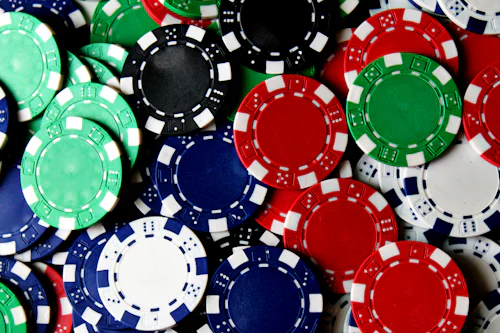
One popular approach is the “Martingale system,” where players double their bets after each loss in an attempt to recover losses with a single win. While this strategy can be enticing, it is ultimately still subject to the whims of luck, with the risk of substantial losses if a player encounters a long losing streak. Such strategies underline a fundamental truth in gambling: while players can employ various tactics, they must always account for the unpredictable nature of luck. The interplay of strategy and chance is what keeps the game intriguing, as players continually search for that edge.
Moreover, the intertwining of luck and strategy creates a fascinating landscape for gamblers. Players often relish the challenge of trying to influence outcomes, giving them a sense of agency within the boundaries set by chance. This interplay can lead to varied experiences and approaches, making each gambling session unique, though always marked by the invisible hand of fortune that influences every bet cast. The quest for a winning strategy is often coupled with the acceptance of luck's unpredictability, creating a complex relationship that defines the gambling experience.
Conclusion: Embracing the Element of Luck
Ultimately, the complexity of gambling lies in its reliance on luck as a driving force behind players' experiences. Regardless of the strategies employed or the skill levels of those involved, the random outcomes dictate how fortunes can quickly change. This reality is what makes gambling both captivating and, at times, perilous; the thrill of the unknown keeps players coming back for more. Understanding the role of luck adds depth to the gambling experience, allowing players to appreciate both the highs and lows that come with it.
Accepting the role of luck as part of the gambling experience allows for a more balanced view of wins and losses. Recognizing that luck can influence outcomes liberates players from the anxiety of needing to control every aspect of the game. It encourages a mindset focused on enjoyment rather than obsession with defeat, promoting a healthier approach to gambling. By fostering a positive relationship with luck, players can engage in gambling as a form of entertainment rather than a stressor.
In essence, understanding luck's significance in gambling is crucial for both new and seasoned players. By embracing this unpredictable element and recognizing it as an integral part of their gaming experience, players can enhance their enjoyment and navigate the world of gambling with a mindful and balanced perspective. Embracing luck allows players to experience the thrill of gambling fully, making each game not just a potential win but an exciting journey rich with possibilities.