

The Allure of Risk and Reward
The thrill of high-stakes gambling often comes from the intoxicating blend of risk and potential reward. Players are drawn to the excitement that stems from placing large bets, with the prospect of winning substantial amounts of money. This phenomenon can be understood through the lens of behavioral economics, which explores how individuals make decisions based on perceived risks and rewards. In high-pressure situations, the adrenaline rush often clouds judgment, leading players to take irrational risks for the chance of a significant payout. Additionally, the ambiance of well-designed casinos, such as vipzinocasinos-uk.com/, can enhance the overall appeal of gambling.

Moreover, the psychology of gambling taps into various cognitive biases that influence decision-making. For instance, the "gambler’s fallacy," where individuals believe that past outcomes will affect future results, can lead to increased betting when players feel "due" for a win. This fallacy is compounded by the designs of casinos, which often create an environment that fosters these beliefs, encouraging players to chase their losses. Understanding this psychological backdrop can provide insight into why players continue to engage in high-stakes betting despite the odds being stacked against them.
The ambiance of casinos also plays a crucial role in high-stakes decision-making. The opulent surroundings, combined with enticing sounds and lights, create an atmosphere designed to elicit strong emotional responses. These sensory stimuli can amplify the excitement of wagering significant amounts, distracting players from the rational evaluation of their choices. This environment not only influences decisions during gameplay but can also lead to prolonged gambling sessions as players become immersed in the experience.
The Role of Social Influences
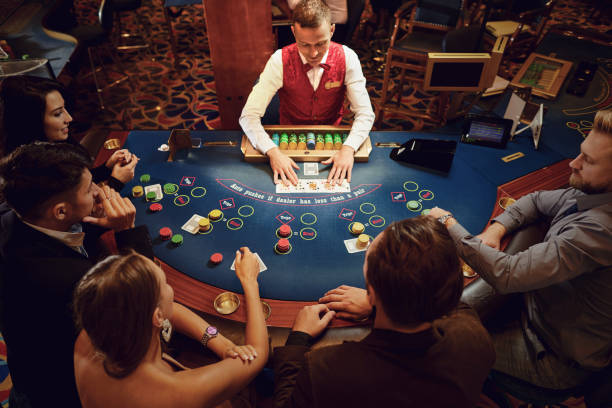
Social dynamics significantly impact high-stakes gambling behavior, often pushing individuals toward riskier decisions. The social proof effect, where people look to others to guide their behavior, can create a bandwagon effect in high-stakes environments. If one player is seen winning, others may feel compelled to increase their bets, believing that their chances of winning have improved. This behavior is particularly evident in games like poker, where the presence of others can heighten the stakes and influence individual decisions.
Additionally, the role of peer pressure cannot be underestimated. Friends or acquaintances at the table can create an environment where the fear of missing out drives individuals to make larger bets than they might typically consider. This pressure can lead to a cycle of increased risk-taking and potential loss, as individuals strive to maintain their social status within the group. In this context, understanding the psychological motivations behind such behaviors can help clarify why players engage in high-stakes gambling despite the risks involved.
The potential for social rewards—such as validation and respect from peers—can further amplify the allure of high-stakes gambling. Players may chase not only monetary gains but also the social recognition that comes with winning large bets. This aspect of social psychology highlights how interpersonal dynamics can influence decisions in high-stakes situations, shaping the way individuals approach gambling and the choices they make at the table.
Cognitive Dissonance and Justification of Losses
Cognitive dissonance plays a significant role in high-stakes gambling decisions, particularly in how players justify their losses. When faced with unfavorable outcomes, individuals often experience mental discomfort, leading them to rationalize their decisions to align with their self-image. This justification can manifest in various ways, such as downplaying the significance of losses or attributing them to external factors beyond their control. Understanding this psychological mechanism is crucial for recognizing why players may continue to gamble despite significant losses.
Furthermore, the concept of "loss aversion" is integral to this discussion. Players often fear losing money more than they value winning it. This fear can result in high-stakes gamblers taking irrational risks to recover their losses, leading to an escalation of bets in hopes of a comeback. This behavior is not only detrimental to the individual but also creates a cycle where losses become increasingly difficult to manage as the stakes rise.
Additionally, the availability heuristic—a mental shortcut that relies on immediate examples—can exacerbate cognitive dissonance in high-stakes gambling. Players may remember their wins more vividly than their losses, reinforcing their belief in their skill or luck. This distorted perception can result in continued gambling behavior, as individuals focus on the potential for future wins rather than the reality of their overall losses. By examining these psychological factors, we gain a deeper understanding of the complexities behind high-stakes gambling decisions.
The Impact of Environment on Decision-Making
The design and ambiance of casinos are meticulously crafted to influence player behavior, particularly in high-stakes settings. Factors such as lighting, layout, and sound play a pivotal role in creating an immersive experience that can significantly affect decision-making. For instance, dim lighting and upbeat music can evoke feelings of excitement, encouraging players to engage in riskier bets. This sensory manipulation serves to heighten emotional responses, thereby influencing the choices made by gamblers.
Moreover, the strategic placement of high-stakes tables near entrances or other busy areas amplifies visibility and accessibility, drawing in players who may not have initially planned to gamble. This design choice capitalizes on the spontaneous nature of decision-making in high-stakes scenarios. The surrounding environment, coupled with social dynamics, can create a powerful impetus for players to take risks they might normally avoid in a different context.
Additionally, the use of free drinks and complimentary services in casinos serves as a tactic to keep players engaged for longer periods. Alcohol, in particular, can impair judgment and increase the likelihood of making high-stakes bets. By manipulating environmental factors, casinos enhance the emotional highs of gambling, making it easier for players to overlook the risks associated with their decisions.
Vipzino Casino: A Modern Gaming Experience
Vipzino Casino stands out as a premier online gaming destination, designed to cater to both casual players and high-stakes gamblers alike. Offering a wide selection of over 1,000 games, including popular slots and live dealer options, it provides an immersive and engaging environment for users. The casino’s commitment to compliance with UK Gambling Commission standards ensures that players can enjoy a safe and fair gaming experience.
The user-friendly interface of Vipzino Casino enhances the overall gaming experience, making it easy for players to navigate through various options. Furthermore, the availability of multiple payment methods, including PayPal, guarantees secure transactions, thereby increasing player trust. With a welcome bonus of up to £450 and 250 free spins, Vipzino Casino effectively attracts new players while also catering to seasoned gamblers seeking high-stakes action.
In conclusion, understanding the psychology behind high-stakes casino decisions can provide valuable insights into player behavior. By exploring the nuances of risk, social influences, and environmental factors, we can better comprehend the dynamics at play in the world of gambling. Vipzino Casino exemplifies a modern approach to online gaming, offering a trustworthy and enjoyable environment where players can explore their gambling interests responsibly.